


HAZARDOUS MATERIAL TRANSPORTATION
The Istanbul Strait, with its historical and strategic significance, is recognized as one of the world’s most important waterways. Hazardous material transportation at this critical point requires specialized expertise and meticulous care. With its extensive experience, comprehensive safety measures, and modern fleet, our company is among the leading organizations in hazardous material transportation. The safe transport of hazardous materials is of critical importance for both human health and environmental protection.
Our specialized equipment, advanced safety systems, and qualified personnel ensure the secure transportation of trucks carrying hazardous materials. The risks and requirements inherent in hazardous material transport must be managed by an expert team. Accordingly, our company operates with experienced personnel who work with great diligence at every stage of the process. Strict adherence to safety protocols during loading, transportation, and unloading enables our team to deliver services at the highest standards.
Our vessels operating in the Istanbul Strait for the transportation of hazardous material trucks combine safety, experience, and technology to provide service at the highest level. With a transportation approach that prioritizes environmental responsibility and safety, we continue to work with determination to maintain our leadership position in the sector.
Pursuant to Article 41 (4) of Chapter Seven of the Ports Regulation (Amended: Official Gazette dated 08/04/2017, No. 30032), which states that “explosive, flammable, combustible, and similar hazardous materials may be transported between the Anatolian and European sides, provided that they are loaded onto wagons and trucks in special containers and packaging, with all necessary safety measures taken by the carrier and the consignor, and transported by car ferries, vehicle ferries, or train ferries allocated for this purpose and carrying no passengers other than the drivers of hazardous cargo vehicles,” our operations are carried out in full compliance with all applicable standards and with the required precautions in place.
As part of our routine controls, drivers are required to complete ADR control forms in detail for each crossing, which are meticulously reviewed by our team. Subsequently, loading and unloading operations are conducted sequentially on our car ferries that are certified and suitable for hazardous material transportation, in full accordance with the Ports Regulation.
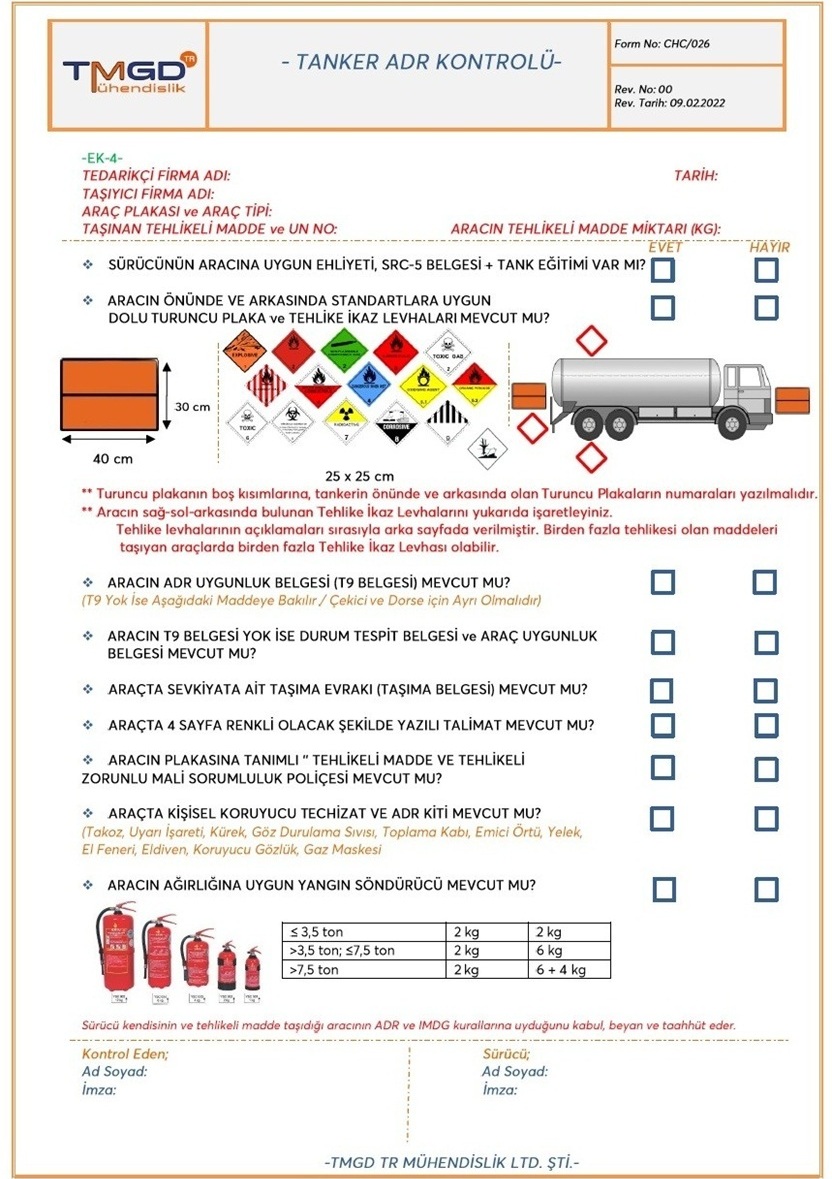
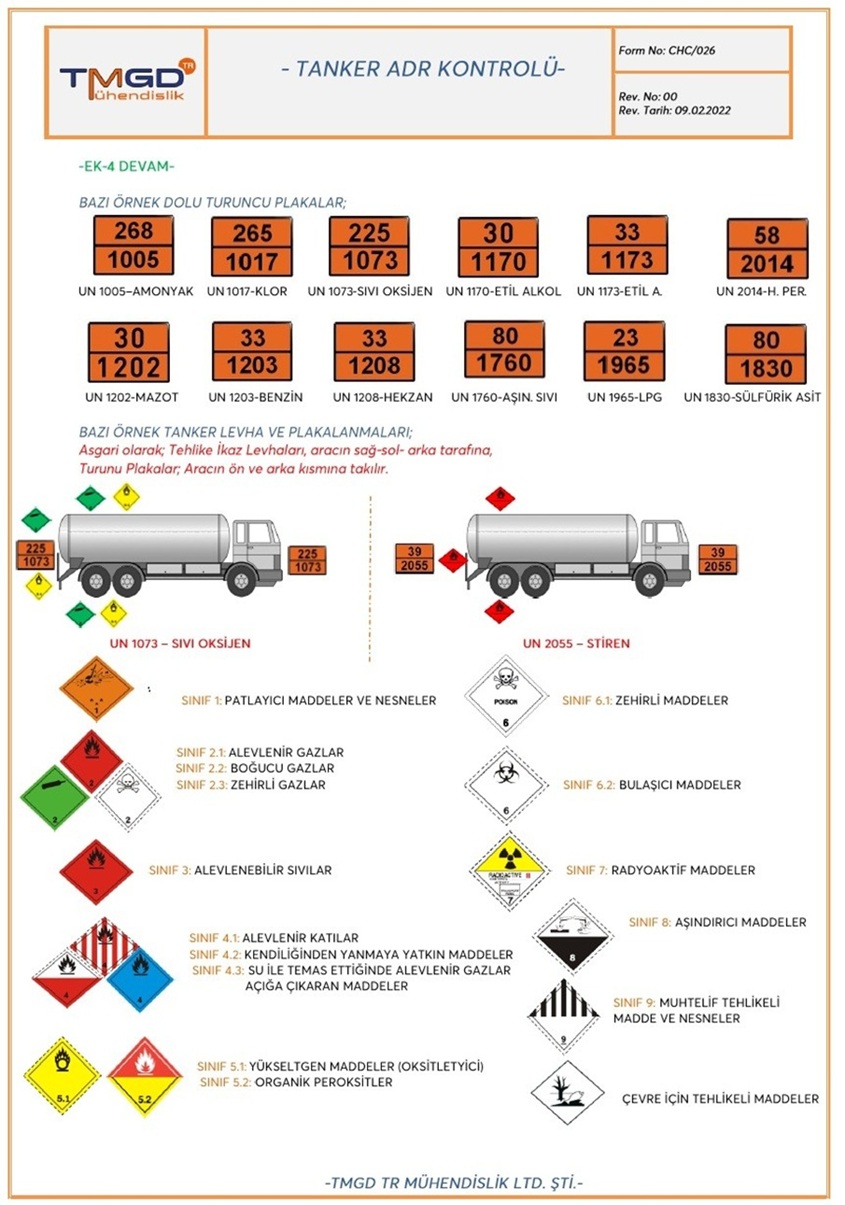
In the sector, hazardous material transportation is not merely a logistics process; it is also a vital responsibility that requires a high level of expertise, discipline, technology, and a strong safety culture.
At Ege Roro, we step in at this point and fill this gap in the industry with our professional approach. By placing the principle of “Safety First” at the core of every operation, we ensure the continuous development of our crew in line with required training standards, equip our vessels with state-of-the-art safety systems, and carry out our voyage planning meticulously, guided by comprehensive risk analyses. For us at Ege Roro, hazardous material transportation is not a risk; it is a field of responsibility transformed into safety through discipline, knowledge, experience, and technology.
The safe transfer of road tankers carrying flammable and explosive materials classified as high-risk—which are prohibited from crossing bridges in the Istanbul Strait—requires not only advanced technical equipment but also strict organizational discipline.
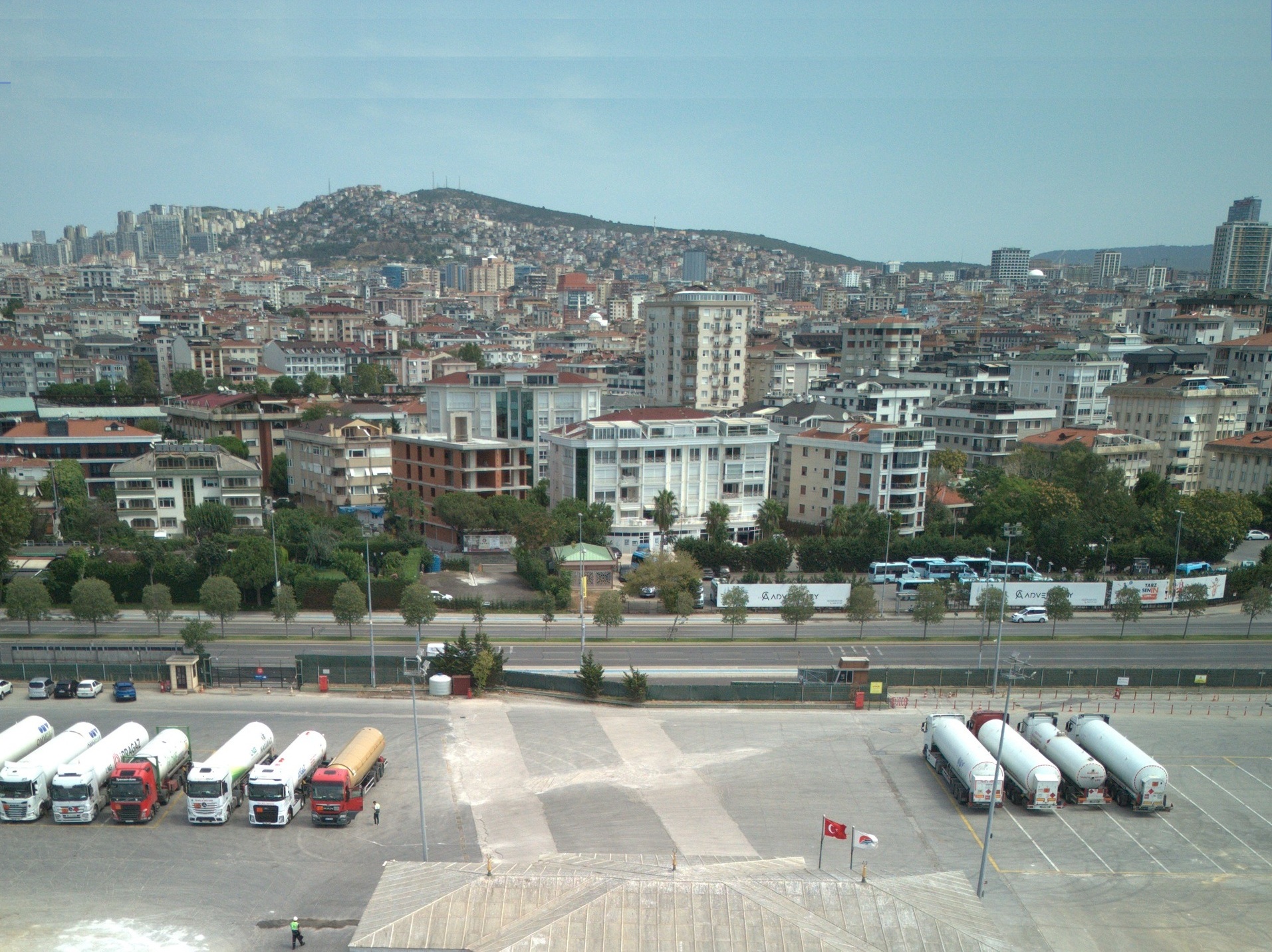
Within this scope, our services operate exclusively between Maltepe (İDO) Port on the Anatolian side and Zeyport Port on the European side, both of which serve solely as dedicated hazardous material loading and unloading terminals. With an average sailing time of approximately 50 minutes, our operations have an operational capacity of up to 12 voyages per day, depending on daily traffic density.
Strengthening our fleet and representing one of our most recent investments, the modern car ferry ERÇİN CİNER, with a carrying capacity of 16 LNG tanker trucks, undertakes this critical transportation mission with its high maneuverability, advanced safety systems, and standards-compliant design. Equipped with three main engines and two bow thrusters, the vessel operates with a total of five propellers, ensuring superior control and operational safety.
In addition, to guarantee the uninterrupted continuity of our operations, our standby ferries remain on constant alert to be deployed in the event of any technical malfunction or unforeseen situation. These vessels serve in a strategic role as the fleet’s backup safety assurance.
Thanks to this robust infrastructure, no service interruptions have occurred to date for any reason other than adverse weather conditions. Our operations have consistently upheld the principles of stability, reliability, and continuity, without compromise, reinforcing our position of trust within the sector.
PORT FIELD OPERATIONS
At Maltepe İDO Port and Zeyport Port, which operates under the management of the Chamber of Shipping, safety and security measures are implemented at the highest level within areas specifically segregated for hazardous material transportation. These dedicated terminals are allocated exclusively for LNG/LPG loading operations. Separate parking areas have been arranged for vehicles entering and exiting the vessels, ensuring optimal operational safety and an efficient traffic flow.
Passenger transportation, smoking, and the entry of civilian vehicles are strictly prohibited within the operational areas. This approach minimizes risk factors and allows operations to be carried out safely and efficiently. To ensure a controlled operational flow, vehicles scheduled to board the vessels and those disembarking are positioned in specially designated and separated waiting zones. This arrangement prevents traffic congestion and enables full control over vehicle and personnel movements during operations.
Additionally, gas detection devices and warning signage are installed throughout the site, providing further safety measures to support secure and compliant operations.
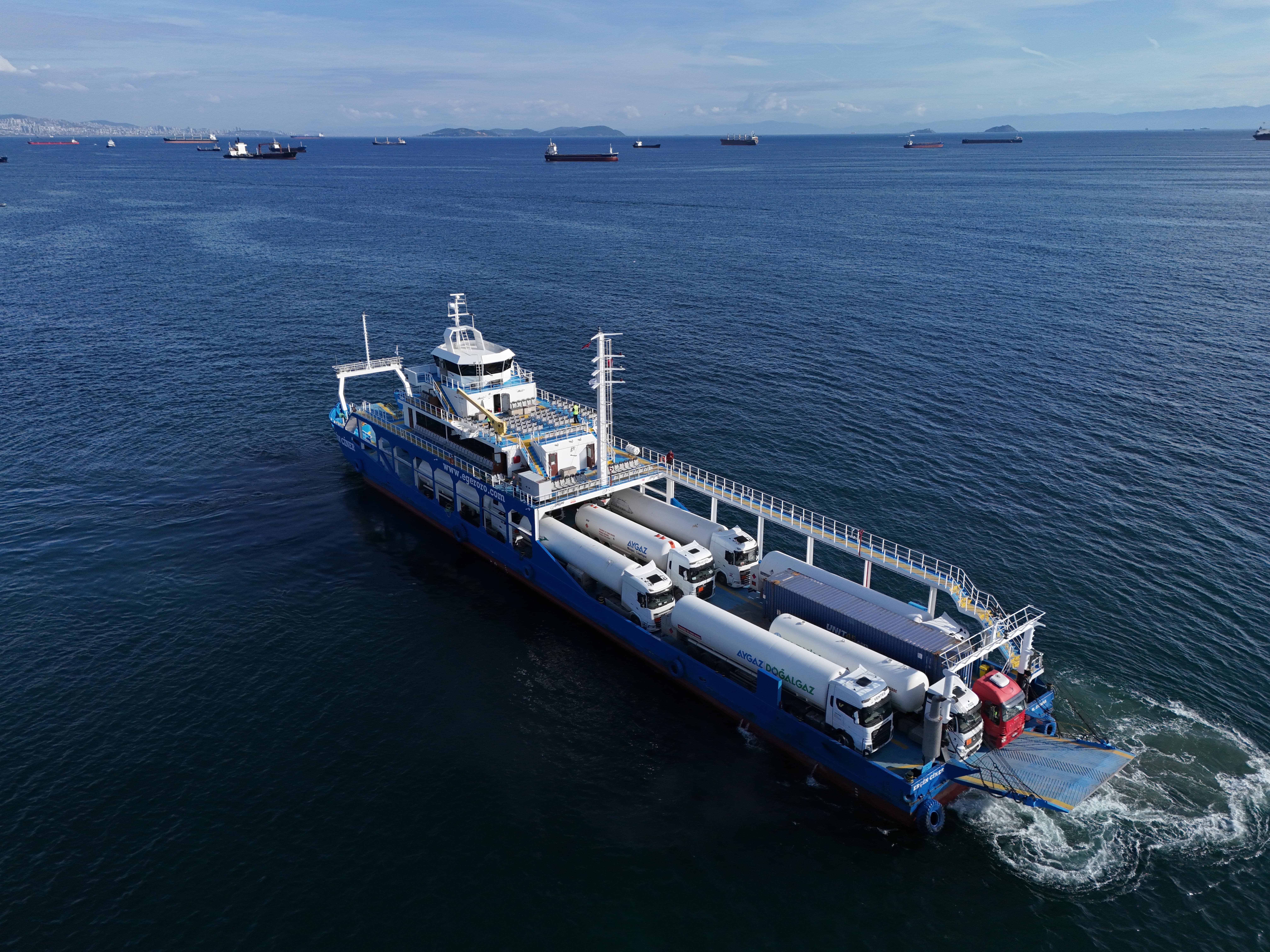
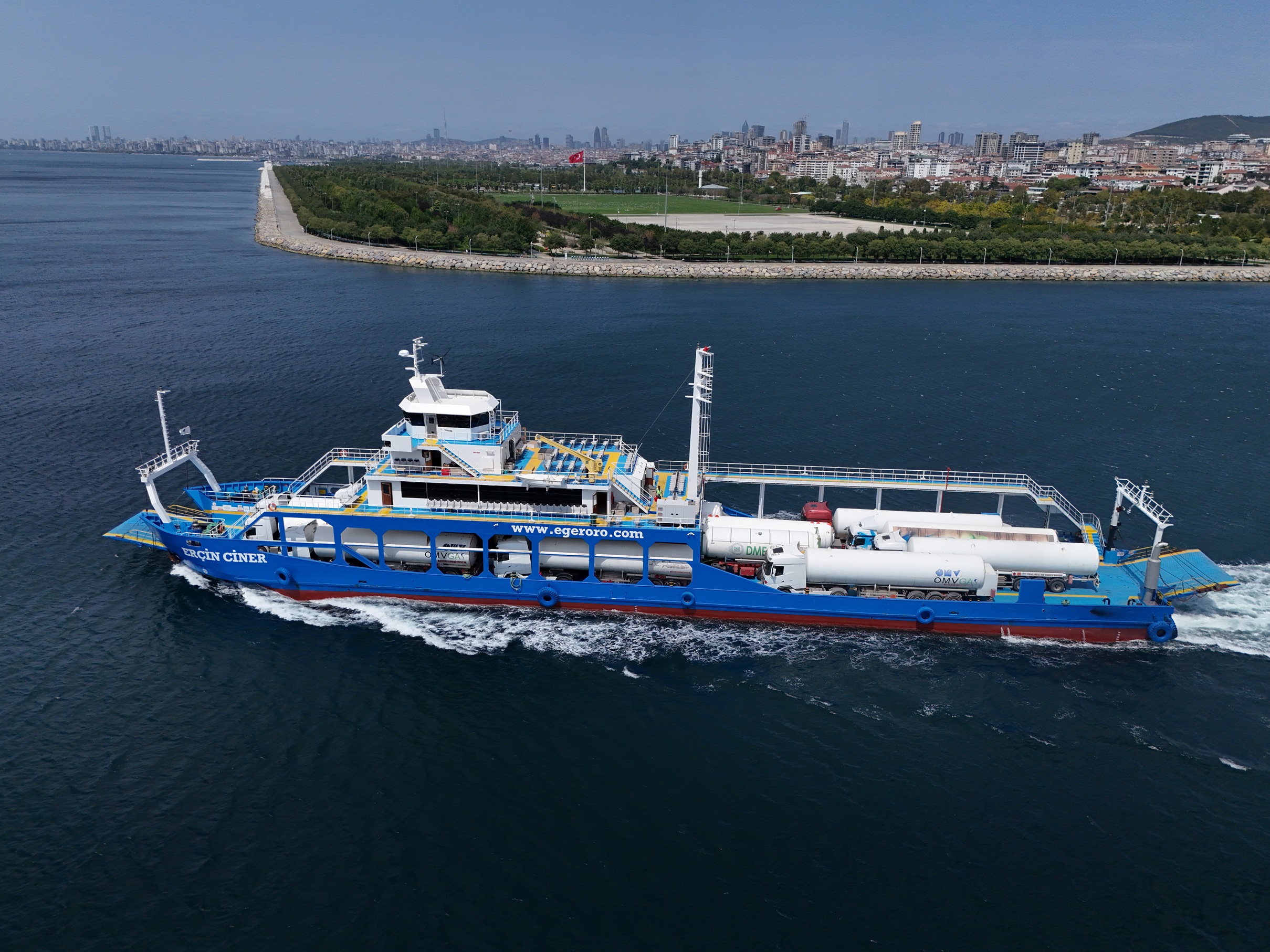
In hazardous material transportation, our car ferry ERÇİN CİNER, which has no enclosed spaces, stands out as one of the most suitable vessel types in terms of ventilation and safety. Thanks to its fully open-sided design, double-ramp structure, and the highest garage ceiling height in Türkiye (5.15 meters), it allows for rapid and effective intervention from both outside and inside in the event of a potential emergency.
The substantial clearance between the vehicle roof and the vessel’s garage ceiling enables continuous air circulation, preventing gas accumulation and further enhancing operational safety.
What Is a Hazardous Material?
Hazardous materials are substances that require special attention during transportation and storage due to their potential risk to human health and safety, as well as to other materials in their environment. Hazardous material, or HAZMAT (Hazardous Material) as internationally abbreviated, refers to solids, liquids, and gases that may cause harm to property, the environment, or living organisms.
In line with the required permits, certifications, and regular inspections conducted by the Ministry of Transport and Infrastructure, our vessels—authorized for the maritime transport of vehicles carrying flammable, combustible, explosive, and other hazardous materials—are also subject to routine internal inspections and controls by our in-house hazardous material and occupational safety specialists. Through our cooperation with İDO, our ships provide sea crossings between Maltepe and Zeyport Ports for ADR-equipped vehicles that are prohibited from using certain highways and Bosphorus bridges.
IMDG CODE – HAZARDOUS MATERIAL CLASSIFICATIONS
TRAINING AND INSTRUCTIONS
In accordance with the ISM Code (International Safety Management Code), our vessels undergo regular drills, including fire-fighting and abandon-ship exercises. In addition, our hazardous material specialists and DPA (Designated Person Ashore) provide ongoing training to both vessel crews and terminal personnel.


